Connect with us

Oregon

Retracing the Oregon Trail by car in the modern era

Published


on

Driving through the winding roads of the great smoky mountains.

A road that tells America’s story

Some roads are just ways to get somewhere. Others feel like a journey through time. US-20 is one of those rare routes that shows you how America grew, mile by mile.

Stretching from Newport, Oregon, to Boston, Massachusetts, this highway crosses the country from the Pacific Northwest to New England. It connects quiet plains, busy cities, and unforgettable natural wonders.

Driving this route feels personal. You pass places you learned about in school and towns that still live at their own pace, reminding you how wide and varied the country really is.

Pacific highway 101 along the southern Oregon coast aerial drone shot.

Where the journey begins at the Pacific

The road begins where land meets ocean in Oregon, with salty air and rugged cliffs setting the tone. Waves crash nearby as US-20 heads inland, leaving the coast behind.

Forests thicken quickly, and small towns feel tucked into nature rather than built over it. This part of the drive feels calm and open, giving you space to slow down and settle into the trip.

It’s easy to imagine modern travelers beginning here, while 19th-century emigrants aimed for Oregon, often concluding their journey in Oregon City. The scenery still carries that sense of promise and unknown adventure.

Rural road apple orchards MT hood.

Following the pioneers’ footsteps

Across Oregon, Idaho, and Wyoming, the highway often runs close to the original Oregon Trail. Wide skies and long stretches of land look much like they did over 150 years ago.

Pioneer families once crossed this region with wagons, facing heat, cold, and endless days on the move. Today, the drive is easier, but the sense of distance remains real.

Mountains rise, valleys open, and towns appear far apart. This quiet landscape helps you understand the courage it took to keep moving west, with no guarantee of what lay ahead.

Yellowstone entrance sign next to road.

Yellowstone and nature at its wildest

One of the biggest highlights along the route is Yellowstone National Park. This place feels alive, with steam rising from the ground and waterfalls rushing through deep canyons.

Geysers burst skyward, wildlife roam freely, and colorful pools look almost unreal. It is one of those stops that leaves a lasting impression, no matter your age.

Driving near Yellowstone reminds you of the power of nature. The park offers a break from the road while showing why this land inspired awe long before highways existed.

Tourists taking pictures and observe Mountain Rushmore with USA presidents.

From quiet plains to iconic landmarks

As the road continues east, the land opens into wide plains that seem to stretch forever. This part of the country has a steady, peaceful rhythm.

A detour into the Black Hills brings you to Mount Rushmore, while Nebraska’s Carhenge adds a playful roadside stop. Nearby, Carhenge turns old cars into a playful roadside surprise.

These stops add a personal touch to the journey. They demonstrate how history, art, and humor all coexist along the same road, making the drive interesting and full of character.

Highway with sunset on the horizon Iowa i80 road USA.

The Great Plains and open skies

Nebraska’s Sand Hills bring rolling grasslands and endless sky. The road feels quiet here, allowing your thoughts to wander as the miles pass smoothly.

This is where many travelers begin to understand the beauty of simplicity. The land does not shout for attention, but it leaves a deep impression.

Passing Iowa, the route brushes by the Field of Dreams. It is a simple spot tied to a big idea, reminding visitors how stories and places can blend into lasting memories.

Curving road along Mississippi river during autumn.

Crossing the Mississippi River

US-20 reaches the mighty Mississippi at Dubuque, a town with deep roots in America’s early growth. The river feels wide and steady, marking a major turning point in the journey.

Nearby Galena adds charm with historic buildings and hillside views. These towns once stood on the edge of the western frontier.

Crossing the river feels symbolic. You move from the wide-open center of the country toward regions shaped by industry, trade, and growing cities, each with stories of change and resilience.

Chicago cityscape at sunset with lakefront view.

Chicago and the Great Lakes region

Chicago brings energy and scale to the trip. Skyscrapers rise, streets buzz, and Lake Michigan stretches like an inland sea.

Leaving the city, the road winds through areas once known for factories and heavy industry. Today, many towns show signs of renewal and pride.

Along the Great Lakes, history feels close. From old neighborhoods to preserved farmlands, this region demonstrates how communities evolve over time while retaining their identity.

View of American falls with the maid of the mist.

A stop at Niagara Falls

Niagara Falls delivers one of the most powerful sights on the entire route. The sound of rushing water hits you before you see it.

Standing near the edge, you feel the mist and the sheer force of nature at work. It is a reminder that some landmarks never lose their impact.

This stop adds excitement to the drive and offers a shared experience many Americans recognize. It connects generations who have stood in the same place, amazed by the same view.

Gorge Trail, Watkins Glen State Park, Finger Lakes region, New York.

Through New York’s Finger Lakes region

In upstate New York, the road follows a quieter path between the Erie Canal and the modern thruway. Small towns and gentle hills shape the drive.

The Finger Lakes region offers serene water views and rolling landscapes that feel balanced and welcoming. History here is layered, yet easy to discern.

This stretch feels thoughtful and reflective. It shows how travel does not always need speed to feel meaningful. Sometimes the slower roads reveal the richest stories.

Curve on a a mountain road.

New England traditions come into view

Crossing into Massachusetts, US-20 passes through the Berkshires and continues through cities like Springfield and Worcester before reaching Boston.

This part of the drive feels like stepping into a living history book. It offers a poignant reminder of how the past continues to shape daily life in subtle yet lasting ways.

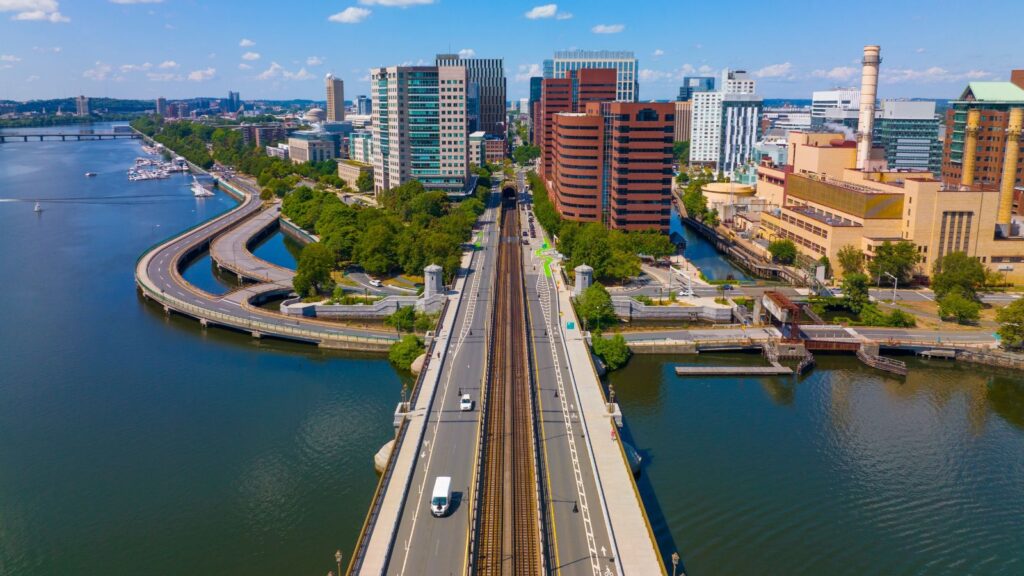
Cambridge Kendall Square skyline and Longfellow Bridge aerial view, Boston, Massachusetts MA, USA.

Boston and the road to Cape Cod

Boston adds history and energy together. Cobblestone streets, historic landmarks, and bustling neighborhoods create a rich blend of old and new.

US-20 officially ends in Boston’s Kenmore Square. If you want to extend the trip to Cape Cod, you’ll continue on other routes beyond US-20.

Ready to see why Route 12 earns its legendary status? Discover the drive.

Highway in forest.

Why this road still matters today

US-20 is more than the longest road in the country. It is a moving snapshot of America’s landscapes, towns, and shared history.

Each stretch offers something different, from quiet plains to famous cities, from natural wonders to everyday communities.

Driving this route helps people see how connected the country truly is. It invites curiosity, patience, and appreciation for the stories that live between the coasts, waiting to be discovered one mile at a time.

Curious why this stretch of Route 66 still tests drivers today? Take a closer look.

Did this cross-country journey spark your travel dreams or bring back memories from the road? Share your favorite stretch of US-20 in the comments, and tap like if this all-American route is now on your bucket list.

This slideshow was made with AI assistance and human editing.

Read more from this brand:

Simon is a globe trotter who loves to write about travel. Trying new foods and immersing himself in different cultures is his passion. After visiting 24 countries and 18 states, he knows he has a lot more places to see! Learn more about Simon on Muck Rack.

Trending Posts