Connect with us

South Carolina

Why Americans are moving South

Published


on

A serene lakeside view with pine trees lining the shore, two tents pitched near the water, and calm blue water reflecting the clear sky.

The great southern shift reshaping America

Across the United States, millions of people are packing up and heading south, but it’s not just for sunshine or beaches. A powerful shift is underway, transforming cities, economies, and even the nation’s identity.

From booming job markets to a lifestyle that promises more for less, the South has become America’s new frontier of opportunity. But what’s really driving this massive migration, and could it reshape the country for good?

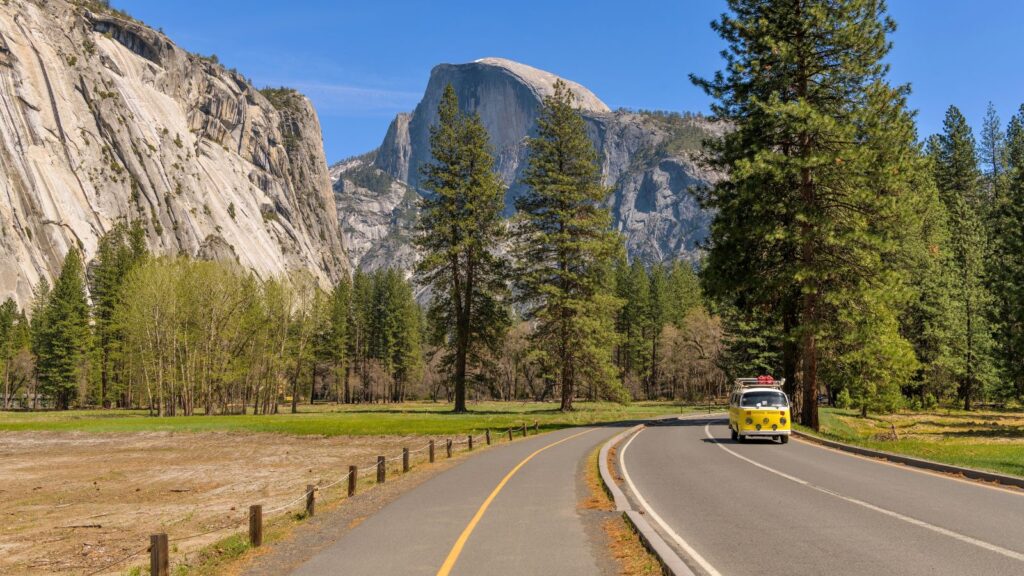
A bright-yellow classic Volkswagen Camper-van cruising on Yosemite Valley Loop Road, with Half Dome towering in background, on a sunny Spring day.

Lower housing costs compared to coastal states

One of the most consistent drivers is that homes and land in many southern states still cost far less than equivalent properties in coastal and high-cost regions. Buyers who are priced out in places like California or New York find greater affordability in Southern states.

This cost advantage allows families to purchase larger houses, more comfortable lots, or newer homes with modern amenities. Thus, housing affordability is a central pull factor that continues to encourage interstate migration.

A person holding money.

Lower taxes and friendlier fiscal regimes

Many southern states maintain lower income tax rates, favorable property taxes, or no state income tax, making them more attractive for people with significant incomes or retirement assets. The tax burden in states such as Florida or Texas is often much less.

For many individuals, the net gain in disposable income is a strong incentive to relocate, especially for retirees on fixed incomes or professionals with business income. Americans are still favoring states with low taxes as a relocation destination.

Job growth and business opportunities

The South has become a hub for job creation, especially in sectors like technology, logistics, manufacturing, and service industries. Many companies now expand or relocate their headquarters or branches to states like Texas, Georgia, or North Carolina.

In turn, this job growth draws workers from other states seeking better career prospects, higher wages, or more advancement potential. The dynamic corporate climate in the South continues to attract both new graduates and experienced workers.

Focused young man wearing glasses using laptop, typing on keyboard, writing email or message, chatting, shopping, successful freelancer working online on computer, sitting in modern kitchen.

Remote work and flexibility

The rise of remote or hybrid work has allowed many people to decouple their place of residence from their employer’s office location. For workers whose jobs allow remote work, the ability to live in a lower-cost southern locale.

This trend accelerated during and after the COVID-19 pandemic, when many people reassessed where they want to live versus where they work. As a result, the South has benefited from individuals who relocate for lifestyle.

A beautiful foggy winter morning by the Blackstone river in Massachusetts.

Climate and weather preferences

Milder winters, longer warm seasons, and abundant sunshine are appealing to many Americans who dislike cold, snow, or the high heating costs of northern states. The South’s climate allows for more outdoor activities year-round.

For retirees especially, escaping harsh winters becomes part of a quality-of-life calculation. That said, climate alone is rarely the top reason; rather, it acts as a supportive factor combined with economic incentives.

Grandmother and granddaughter making corn tamales the traditional way, using their hands to shape the tamales.

Retiree migration and aging demographics

Retirees often look for places where their money goes further, and the South offers favorable conditions. Because the Baby Boomer generation is now reaching retirement, many are relocating to southern states to stretch their limited retirement savings.

Retirement communities, healthcare infrastructure, and recreation amenities in the Sun Belt are growing to meet this influx. This demographic shift helps sustain demand for goods and services geared toward older adults in southern states.

Senior father with adult son grilling outside on backyard in summer family during garden party.

Family ties and social networks

Many movers cite wanting to be closer to family, relatives, or social support as a major reason for relocation. When adult children or aging parents already reside in southern states, others often follow to maintain a closer connection and easier caregiving.

Social and cultural ties help reduce the cost and emotional difficulty of relocation, because people often move where someone familiar already lives. In fact, about 26 % of southern-bound movers report that family proximity is a key motivator.

Quality of life and pace of living

Some Americans are tired of fast-paced, congested, stressful lives in big cities and desire a more relaxed, slower-paced environment. Southern states often offer a mix of urban amenities and suburban or rural options with less traffic, lower congestion, etc.

Communities in southern metro areas balance access to cultural attractions with affordability and ease of living. Many people see the South as a chance to enjoy a comfortable life without sacrificing modern conveniences.

African american young male teacher communicating in sign language with caucasian elementary girl.

Educational and institutional investments

Southern states have invested in colleges, research universities, and infrastructure to attract talent and retain graduates. As more students from the Northeast discover southern public universities with lower tuition, many choose to stay in the South.

This trend helps regions build a stable, educated workforce base. In recent years, there has been an increase in Northeastern students attending Southern public schools, many of whom remain in the South after graduation.

Tour group are touring at some place.

Population momentum and reinforcing cycles

Once migration to the South reaches a critical mass, it generates momentum: new arrivals help drive the growth of services, businesses, and culture, which in turn attract yet more migrants. As populations grow, more job opportunities, amenities emerge.

In many cities in Texas, Georgia, and North Carolina, growth breeds infrastructure expansion, better schools, and more vibrant economies. This positive feedback loop helps perpetuate southern migration over time.

Man, holding a card with the word 'expenses'.

Out-migration from high-cost states

People leaving states like California, New York, Illinois, and New Jersey often cite unaffordable housing, etc. The “California exodus” is a well-known example of many residents leaving that state for places including Texas and Arizona.

This push effect in high-cost states intensifies the pull effect of the South: when departure pressures are strong, the destinations that are comparatively cheaper become highly attractive. In recent decades, states like Texas and Florida have been leading destinations.

New York city Statue of Liberty on Liberty island.

State-level migration leaders

Between July 2023 and July 2024, the southern states with the largest net gains in domestic migration were Texas (+85,267), North Carolina (+82,288), South Carolina (+68,043), Florida (+64,017), and Tennessee (+48,476).

This pattern highlights a continuing trend of Americans leaving high-cost coastal states for more affordable and livable destinations in the South, where job opportunities, lower taxes, and a warmer climate are attracting new residents in large numbers.

November sunrise over Downtown Houston - Southeast Texas Harris County.

Cooling of migration but persistent dominance

While migration rates to the South have slowed somewhat since the boom years of the pandemic, the net flow remains firmly in the South’s favor. States like Texas and Florida still enjoy net gains, though these gains are much smaller than during pandemic peaks.

For example, Florida’s net domestic migration in 2024 was +64,017, far lower than its +314,000 gain in 2022. This moderation suggests that while the surge may stabilize, the South’s gravitational pull is enduring.

Challenge word written on wood block.

Challenges of growth

Rapid migration can strain local infrastructure, such as roads, water systems, schools, and public services in some southern communities. Local governments often must scramble to expand capacity, fund new schools, and build roads to keep pace with population growth.

In fast-growing metro areas, housing demand may begin to push up prices and limit affordability, potentially eroding the earlier cost advantage. Thus, some places may face growing pains.

In other news, here are 12 things people from South Carolina do that seem insane to everyone else.

Political map of United States of America with Gulf of Mexico nearby.

Political and cultural impacts

As more people move from more liberal or urban states to the South, the political and cultural landscape of southern states is evolving. New residents may bring different voting habits, cultural values, and demand for policy changes.

Over time, this can shift electoral balances, party strength, and public priorities in states that were once reliably conservative. Some studies observe that the influx of newcomers is subtly altering regional identity, even affecting local dialects and accents.

The internet is also talking about this plantation’s slave quarters, telling Georgia’s slowest freedom story.

What about you? Would you ever trade cold winters or high costs for a new life in the South? Let us know your thoughts in the comments!

Read More From This Brand:

This slideshow was created with AI assistance and human editing.

Currently residing in the "Sunset State" with his wife and 8 pound Pomeranian. Leo is a lover of all things travel related outside and inside the United States. Leo has been to every continent and continues to push to reach his goals of visiting every country someday. Learn more about Leo on Muck Rack.

Trending Posts